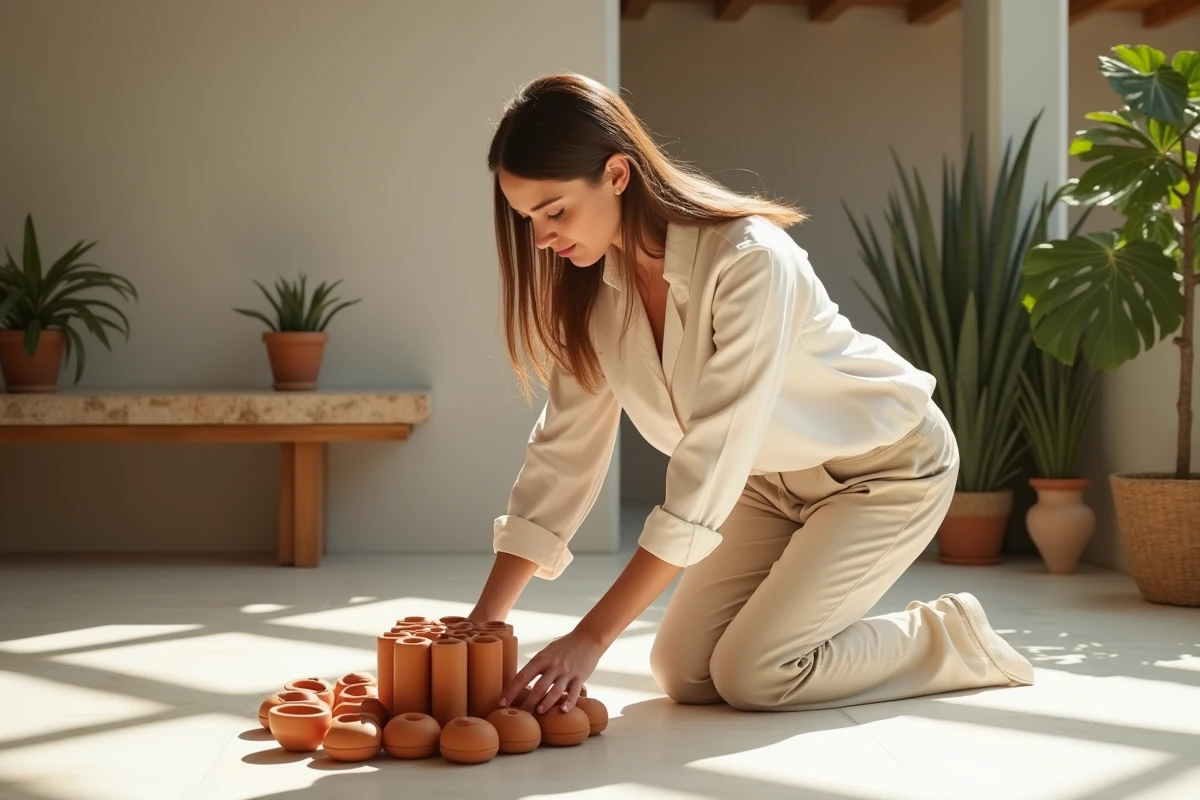
In 2025, more than 60% of renovations prioritize natural materials for flooring, according to the latest industry data. However, the selection of tiles or travertine remains prone to frequent mistakes, often related to a lack of knowledge about technical constraints and current trends.
Some professionals advise against using overly shiny finishes, which harm the longevity of the material, even as the demand for patinated effects has never been stronger. Expectations are evolving rapidly, and maintenance recommendations vary significantly from one manufacturer to another.
Tiles and travertine: the essentials of tiling in 2025
Tiling is more essential than ever in renovations as well as in new constructions, driven by the versatility of tiles and travertine. These two options are appealing due to their durability and history. Terracotta reveals a palette of captivating colors, ranging from red, ochre, to orange hues, while travertine displays elegant variations of beige, veined with subtle mineral reflections.
In 2025, the trend focuses on formats and offers compositions suitable for each room:
- hexagonal tiles to create a lively floor
- rectangular tiles bringing a controlled contemporary spirit
- ceramic stoneware mimicking travertine, incredibly convincing
From the hallway to the kitchen, each configuration has its solution. A floor of artisanal tiles creates warmth in an entryway or living room, while travertine, or its imitation version, is gladly invited into open spaces. Interior designers confidently combine tradition with modern touches, blending raw materials with sleek elements to shape a unique atmosphere.
These two materials endure through the years, provided one chooses a finish suitable for the living space, anticipates maintenance, and aligns the joints with care. Light wood, metal, white walls: tiles and travertine know how to engage with all styles and add character without ostentation.
For those seeking reliable resources and a detailed comparison of possible uses, simply discover Google Plus for interior design. There are many avenues to refine choices and better combine traditional tiles with their new alternatives.
What criteria to prioritize for an elegant and authentic interior?
The appearance of a floor should not be decided hastily. To choose tiles and travertine well and bring a chic touch to your interior, one must focus on the uniqueness of the spaces. Terracotta tempers a room with its warm tones and lively surface. Hexagonal tiles or more elongated formats offer rhythm and dynamism while guiding the eye.
Travertine, on the other hand, expands the space with its soft tones, from beige to gray, and creates a soothing atmosphere. For a very contemporary ambiance, it is paired with modern materials like dark metal or white walls, thus working with light and graphic balance.
Adapt your tiling choices to the function of the room: terracotta warms the kitchen or living room, while stoneware tiles ensure durability and ease of cleaning in the bathroom.
Some concrete guidelines allow for perspective:
- Coordinate colors: beige for softness, terracotta to energize the space, black for a marked contrast.
- Dare to use varied formats: large tiles enlarge and fluidify, while small tiles provide graphic energy.
- Consider the harmony with the furniture and other materials present.
By adjusting these parameters, one can create a floor that is both coherent and unique, combining the strength of detail with an embraced modernity.
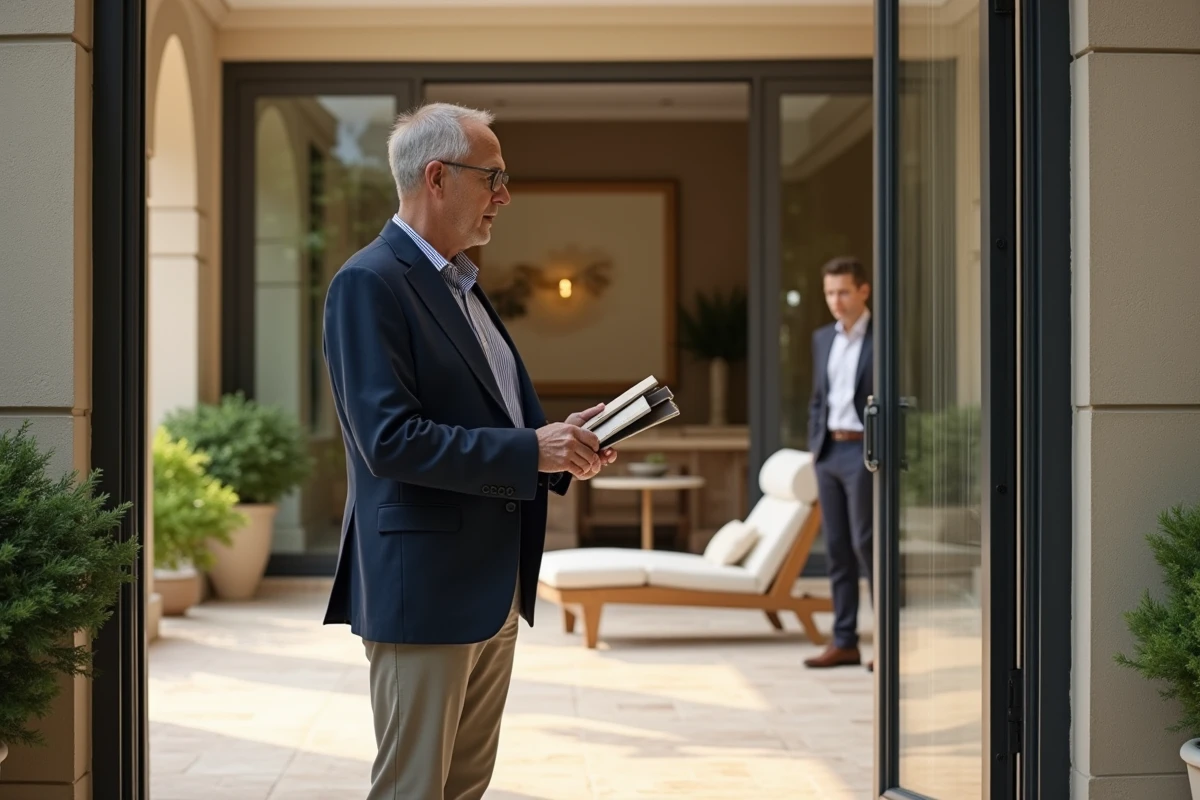
Practical tips for successfully renovating, from the country house to the contemporary loft
The harmony of a floor begins well before installation. Select tiles or travertine considering foot traffic, usage, and support. In the kitchen, for example, a terracotta tile that has received a stain-resistant treatment makes all the difference. The bathroom, for its part, will appreciate travertine or ceramic stoneware mimicking travertine, to combine moisture resistance with a refined aesthetic.
The secret to a durable floor? Impeccable preparation. A flat, healthy, and dry support is essential. Before fixing the tiles, check the joints: their width really influences the look of the floor. If too wide, they weigh down the aesthetics; if too thin, they weaken the whole. Remember to maintain consistency for a harmonious result.
To protect the natural beauty of the tiling, a water-repellent treatment is essential. This preserves the shine of the tiles and travertine while making daily cleaning easier. In high-traffic areas, regular maintenance is necessary: vacuuming, using gentle products like black soap, and never abrasive solutions.
There are economical alternatives that do not lose the illusion of noble materials: ceramic stoneware today brilliantly reproduces terracotta or natural stone, perfect for covering large spaces at a lower cost. Study different quotes, inquire about the origin and manufacturing, and prioritize coherence and customization over fleeting fashion effects.
In all configurations, these floors are not just simple surfaces: they tell who you are and accompany your daily life sustainably. Choosing tiles or travertine is betting on an interior that embraces its authenticity without ever losing its modernity.