In France, nearly 20% of students face difficulties during the transition from CM1 to CM2, despite the implementation of specific support measures. Level gaps often widen during the summer, a period when the continuity of learning is not guaranteed.
Studies show that regular support at home, combined with access to suitable materials, optimizes the consolidation of knowledge. Parental involvement plays a crucial role in strengthening children’s confidence and autonomy at this key stage of their education.
Understanding the stakes of moving to CM2: a key step for your child
Reaching CM2 is not just about turning the page on another year in primary school. It’s a real milestone: autonomy, consolidation of knowledge, and the first hints of middle school on the horizon. Expectations become clearer, and reference points change. Your child is no longer the same student they were at the beginning of the cycle: they must now master the basics of French and mathematics, as well as open up to the discovery of sciences, technology, history, and geography. This transition requires solid preparation, especially after a year that can sometimes be dense and sometimes tumultuous.
Before the summer, it is wise to identify together the knowledge that needs reinforcement: grammar, conjugation, spelling, as well as problem-solving or basic scientific concepts. Relying on a CM1 exercise helps to pinpoint support points as well as hesitations. This is never a mechanical task: it involves starting from your child’s experience, their progress, and their doubts.
In CM2, the diversity of subjects—history, geography, sciences, moral and civic education—gradually prepares students for the expected cross-disciplinary approach in middle school. Summer then takes the form of a laboratory, where new methods can be tested, the pace adjusted, and above all, the pleasure of learning rediscovered. Three pillars to prioritize for a smooth return to school: regularity, curiosity, confidence.
How to involve the family to support academic success during the summer?
Success at school is not solely determined by classroom hours. During the holidays, the family atmosphere influences the child’s motivation and confidence. Parents, siblings: everyone contributes to establishing effective work habits and creating a reassuring environment for learning.
Here are some concrete levers to mobilize as a family:
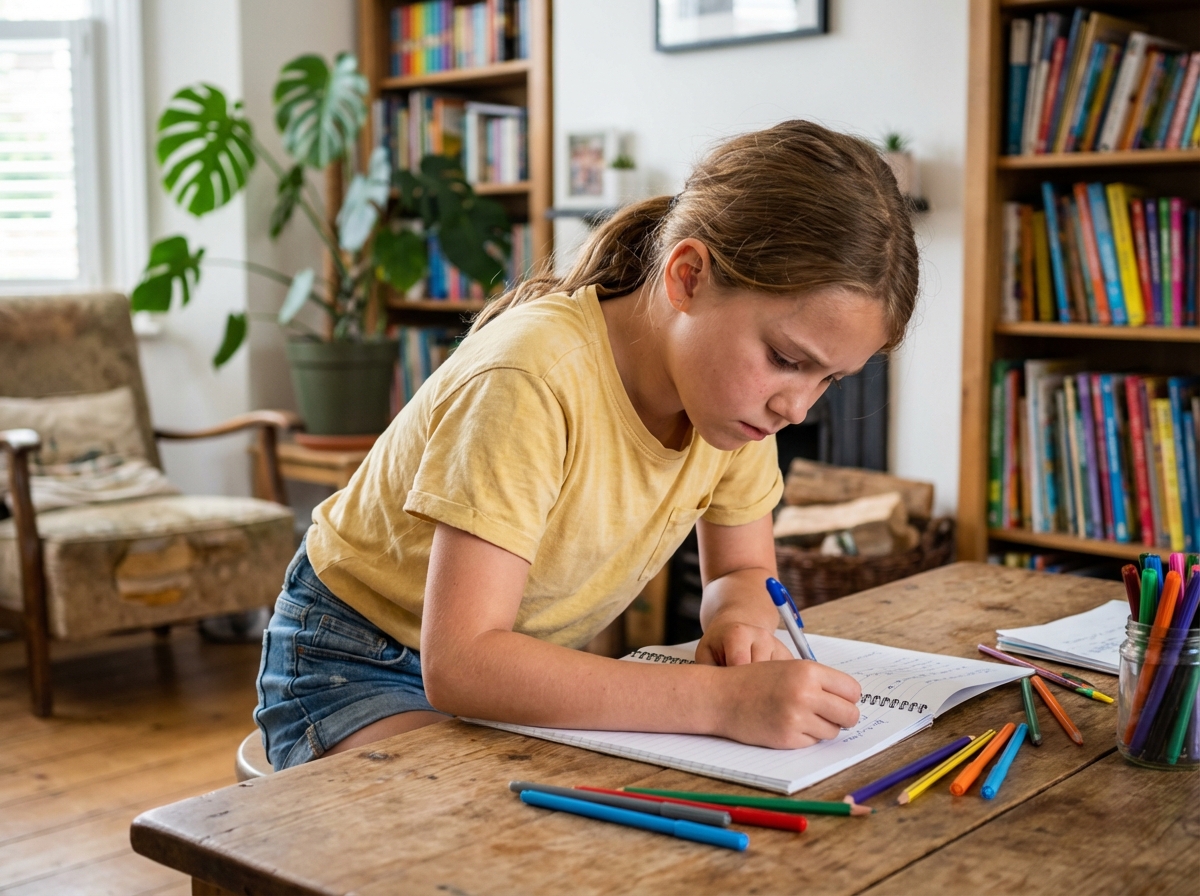
- Set up a well-defined workspace: a clear table, good lighting, and some basic supplies. This dedicated corner helps the child concentrate and feel invested.
- Vary activity times: alternate between revisions, shared reading, discovering a documentary, or playing an educational game. Daily life is full of situations to anchor learning.
- Encourage every progress, even the smallest. Valuing effort nurtures confidence and maintains the desire to learn.
Stay attentive to your child’s pace and adapt activities according to their needs. By offering varied approaches, you prepare for the return to school without unnecessary pressure. This discreet yet regular support establishes lasting motivation and gently anticipates the transition to middle school.
Resources, private lessons, and practical tips for effectively supporting revisions
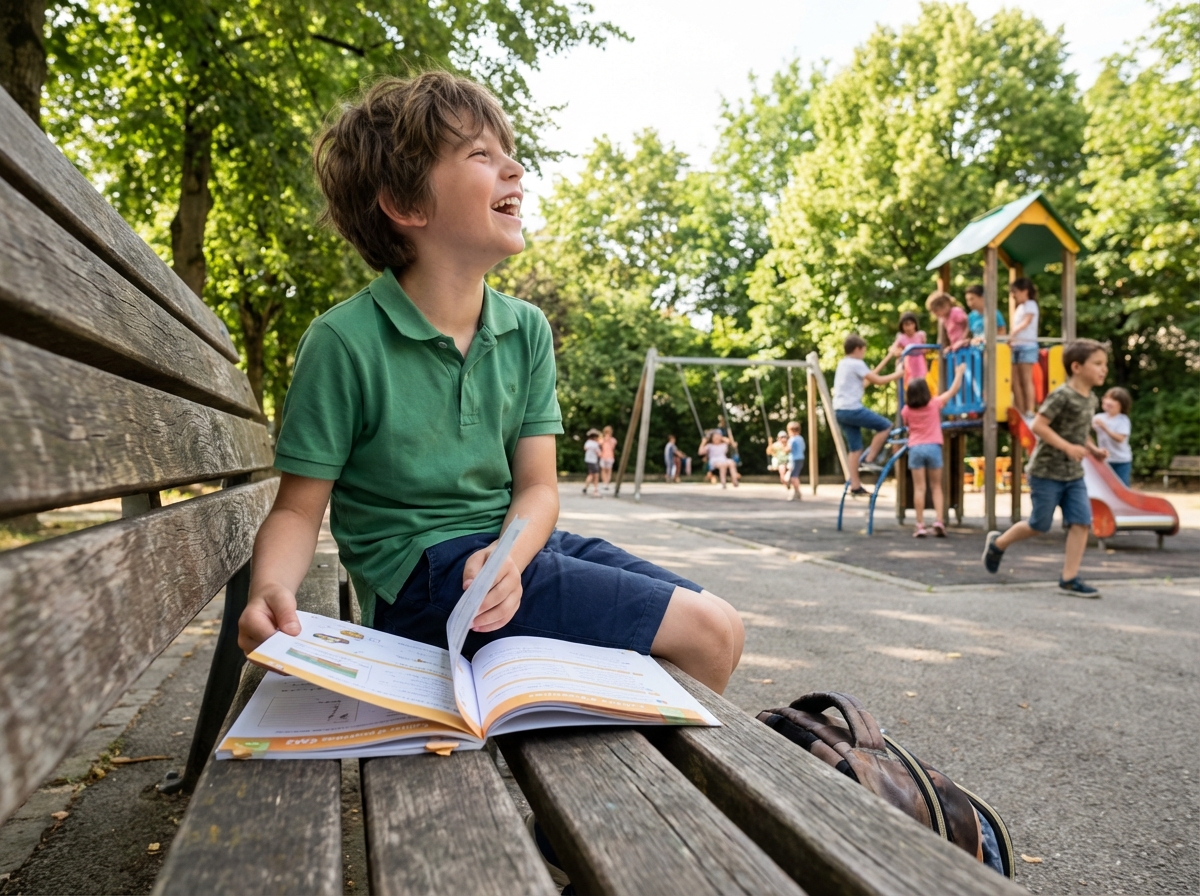
To prepare for entering CM2, the range of educational tools is vast. Library books, activity workbooks, specialized magazines, educational apps… These are all resources that make revisions lively and adaptable to each child’s level. The idea is not to cram but to cultivate curiosity and strengthen the foundations in French, mathematics, sciences, history, or foreign languages, depending on needs.
Here are some concrete suggestions to structure revisions and maintain momentum:
- Use online resources that offer targeted exercises: multiplication, division, fractions, problem-solving, as well as grammar and spelling.
- Encourage children to play educational games to tackle mental math or expand their vocabulary in French and other foreign languages.
- If maintaining the pace is difficult, private lessons or refresher courses provide tailored support, valuable for consolidating knowledge before the return to school.
Many organizations also offer pre-schooling workshops to start the year with confidence. By alternating formal revisions with fun discoveries, such as reading a novel or visiting a local museum, you give meaning to learning and make progress tangible. It is this diversity of approaches, rooted in daily life, that fosters confidence and reignites the desire to learn. After all, summer is a testing ground: it’s up to each family to make it a springboard for the new school year.